Smart Kitchen Layout Ideas That Boost Functionality and Style
A modern kitchen is far more than a place to cook. It has evolved into a central hub where functionality and style must coexist seamlessly to meet today’s lifestyle demands. Whether homeowners are preparing daily meals, entertaining guests, or integrating smart appliances into their daily routine, a well-planned kitchen layout can make every task more efficient and enjoyable. As kitchens become increasingly multifunctional, home design experts continue to spotlight layout innovation as one of the most influential elements in creating a space that feels intuitive, organized, and visually refined.
In the broader construction and remodeling industry, kitchen layout planning is recognized as a foundational step in enhancing home value and overall livability. A thoughtfully designed kitchen contributes to smoother traffic flow, better storage capacity, safer work zones, and elevated design appeal. With homeowners prioritizing convenience and aesthetics more than ever, smart layout ideas serve as a strategic blueprint for transforming outdated or inefficient kitchens into modern, high-performance spaces. Understanding the principles behind these layouts is essential for anyone looking to optimize their kitchen environment with both practicality and style in mind.
1. Optimizing Kitchen Work Zones for Efficiency
The Logic Behind Work Triangle and Work Zones
One of the most important concepts in kitchen layout design is the work triangle, a classic principle that connects the sink, stove, and refrigerator in a triangular formation. While this traditional approach remains effective, modern kitchens often rely on a more updated idea: work zones. Work zones group related tasks together, such as food prep, cooking, cleaning, and storage. This ensures that tools, appliances, and ingredients are located precisely where they are needed most.
The shift from the triangle to task-based zoning comes from lifestyle changes, including open-concept living and the introduction of multifunctional appliances. For example, a dedicated baking zone might include pull-out mixers, spice cabinets, and additional electrical outlets. A coffee station may house mugs, a built-in espresso machine, and a small sink. These tailored areas make daily tasks smoother and support the unique routines of each household.
Real-World Examples of Zone-Based Designs
A busy family with children might benefit from a snack zone near the refrigerator where kids can easily grab drinks or fruit without interrupting the cooking area. On the other hand, a home chef may require an extensive prep zone with ample counter space, integrated cutting boards, and refrigerated drawers. By determining how the kitchen will be used, homeowners can create zone-based layouts that minimize unnecessary steps, reduce clutter, and provide a more intuitive workflow.
2. Smart Storage That Enhances Organization
Vertical, Hidden, and Modular Storage Solutions
Smart storage design can dramatically elevate kitchen functionality without sacrificing style. Vertical storage, for example, maximizes wall space through floor-to-ceiling cabinetry, open shelving, and tall pull-out pantry units. This is especially useful in compact kitchens where every inch counts. Hidden storage solutions, such as appliance garages, toe-kick drawers, and slide-out corner units, allow homeowners to maintain a sleek, clutter-free aesthetic.
Modular storage is another trend gaining traction. It offers customizable options such as adjustable dividers, removable trays, and pull-down shelving. These systems can adapt to evolving needs over time, much like modern lifestyles that often require flexible space planning.
Storage Techniques for Specialized Needs
A well-designed kitchen layout considers not just general storage but also specialized solutions. A spice drawer near the cooktop improves access and avoids overcrowded cabinets. A deep pot drawer provides safer, easier storage than overhead cabinets. For wine enthusiasts, under-counter wine coolers or built-in racks integrate seamlessly into the overall design. These thoughtful touches help reduce stress, save time, and keep the kitchen environment visually cohesive.
3. Integrating Multifunctional Islands and Peninsulas
The Role of Islands in Modern Kitchens
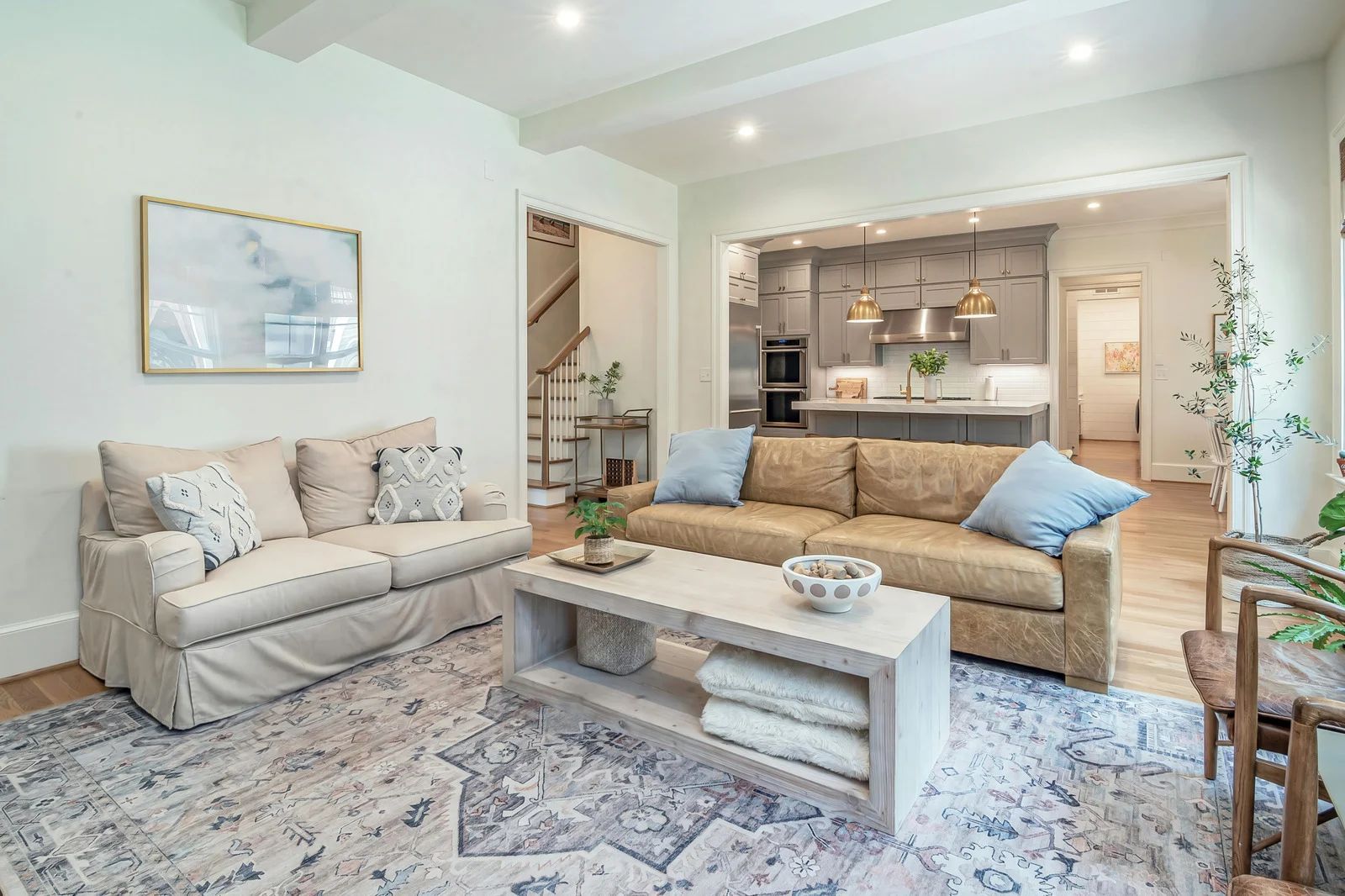
Kitchen islands have evolved from simple prep stations into multifunctional powerhouses. They can incorporate sinks, cooktops, dishwashers, seating areas, and even hidden storage beneath the countertop. In open-concept homes, islands also act as natural dividers between the kitchen and living areas while maintaining an open flow.
A smart island layout enhances communication, improves traffic patterns, and provides a central gathering spot for family activities. When paired with the right lighting and materials, islands also serve as bold design features that elevate the kitchen’s aesthetic.
Peninsulas as Space-Saving Alternatives
Not all kitchens have the space for a full island, which is where peninsulas excel. A peninsula offers many of the same benefits while respecting the limitations of smaller or narrow rooms. This layout option creates additional counter space, accommodates seating, and allows for extra storage without requiring major structural changes.
For example, a U-shaped kitchen with a peninsula can transform into a more inviting, social environment. Homeowners can use the peninsula as a serving station during gatherings or as a breakfast area during daily routines. The adaptability of peninsulas makes them a strategic design choice for maximizing functionality without overcrowding the space.
4. Lighting Design That Elevates Style and Usability
Layered Lighting for a Well-Lit Kitchen
Lighting is a critical yet often overlooked component of a smart kitchen layout. A well-designed kitchen includes multiple layers of lighting: ambient, task, and accent. Ambient lighting provides overall illumination, often delivered by recessed lights or overhead fixtures. Task lighting focuses on specific work areas such as counters, sinks, and cooking zones. Accent lighting adds visual interest, highlighting architectural elements or décor.
When these layers work together, the kitchen becomes safer, more functional, and more visually appealing. For instance, under-cabinet LED strips reduce shadows on the countertop, making food preparation easier and more precise. Pendant lights over an island add style while ensuring proper visibility for dining or socializing.
Smart Lighting Technology
Smart home technology has introduced additional convenience and efficiency to kitchen lighting. Dimmable systems, voice-activated commands, and motion-sensor lighting improve usability and energy savings. A smart lighting layout can adjust brightness automatically based on time of day, creating a personalized environment. For example, warm, dim evening lighting enhances relaxation, while brighter midday lighting supports focused tasks.
Implementing smart lighting is an excellent way to upgrade the kitchen without major renovation. These systems integrate seamlessly with modern layouts to enhance both functionality and ambiance.
5. Designing for Traffic Flow and Accessibility
Key Principles for Smooth Movement
A successful kitchen layout must accommodate clear, unobstructed traffic flow. Walkways should ideally be 42 to 48 inches wide, allowing multiple people to move comfortably. Appliance placement plays a crucial role in accessibility: refrigerator doors should open into spacious areas, ovens should have adequate landing space nearby, and dishwashers should not interfere with adjacent cabinets.
Proper traffic planning also prevents bottlenecks. For instance, placing the sink and dishwasher near each other ensures efficient dish cleaning without disrupting movement through the room. Meanwhile, positioning the cooktop away from doorways enhances safety and prevents accidental collisions.
Accessibility for All Users
Modern kitchen design increasingly emphasizes accessibility, ensuring the space is functional for users of all ages and abilities. Features like pull-down shelves, touch-open cabinets, side-opening ovens, and adjustable counter heights accommodate diverse needs. Wide clearances and slip-resistant flooring add additional safety and comfort.
These elements are especially valuable for aging homeowners who want to remain in their homes independently for longer. Thoughtfully integrating accessibility into the kitchen not only improves usability today but also extends the home’s long-term adaptability.
6. Material and Appliance Choices That Complement the Layout
Choosing Materials That Support Functionality
The materials selected for countertops, flooring, cabinetry, and backsplashes significantly influence both performance and style. Quartz countertops, for example, offer durability and low maintenance, making them ideal for high-traffic kitchens. Porcelain tile flooring resists stains, scratches, and moisture, while hardwood adds warmth and elegance.
Cabinet materials and finishes also affect layout success. Soft-close hinges enhance longevity, while matte finishes reduce visible fingerprints. Choosing durable, easy-to-clean materials ensures the kitchen remains functional and attractive for years.
Appliance Integration for a Seamless Look
Appliances should align with the layout’s overall logic. Built-in ovens, panel-ready refrigerators, and drawer dishwashers create a unified appearance. Compact appliances work well in smaller kitchens, while double ovens or oversized ranges suit serious cooks.
Smart appliances further improve efficiency, offering features such as remote monitoring, customized cooking settings, and energy optimization. When thoughtfully integrated, appliances contribute to a high-functioning, visually cohesive kitchen.
Expert Recommendations for Smart Kitchen Planning Today
For homeowners ready to bring their
dream kitchen
to life, partnering with a skilled and dependable team makes all the difference. Shafer Construction, LLC
in Youngstown, Ohio brings 19
years of expertise to every remodeling project, ensuring exceptional craftsmanship and personalized service from start to finish. The company understands that a kitchen is the heart of the home, which is why it prioritizes smart layout design, high-quality materials, and seamless functionality in every build. Whether clients are looking to reconfigure their floor plan, integrate modern features, enhance storage, or create a more inviting space, the Shafer Construction, LLC
team delivers solutions tailored to the unique needs of each household. Their hands-on approach, industry knowledge, and commitment to excellence ensure that every kitchen renovation exceeds expectations. With nearly two decades of experience, they continue to be a trusted choice for homeowners seeking expert guidance and transformative kitchen remodeling results.