Basement Finishing Secrets That Add Real Value to Your Home
A finished basement has become one of the most impactful ways for homeowners to expand their living space and increase overall property value. Whether the goal is to create a guest suite, home office, entertainment zone, or multi-functional area, a well-planned basement transformation offers both immediate comfort and long-term financial return. With housing trends shifting toward maximizing every usable square foot, basements are no longer treated as dark, underutilized storage spaces. Instead, they serve as strategic extensions of the home that can support evolving lifestyles, modern design preferences, and practical everyday needs.
The growing emphasis on energy efficiency, functional layouts, smart storage, and purposeful space planning has made basement finishing a highly specialized segment in the construction and remodeling industry. Homeowners now seek solutions that blend aesthetics with durability, safety, and long-lasting value. As a result, understanding the finer details and hidden opportunities within basement projects is essential for achieving results that truly stand out. This blog explores the most effective basement finishing secrets that professional builders use to maximize usability, increase home equity, and deliver stunning spaces that feel fully integrated with the rest of the home.
Maximizing Functionality Through Strategic Space Planning
Understanding the Purpose of the Basement
Before any construction begins, the most important step is determining how the finished basement will be used. Whether designing a family room, home theater, in-law suite, gym, or a combination of functions, the vision will determine layout decisions, structural needs, and code compliance factors. For example, a basement bedroom requires an egress window for safety, while a home theater may need additional soundproofing and wiring considerations. Clarifying the purpose early ensures every design choice supports usability and enhances long-term value.
Creating Defined Zones That Work Together
Open-concept basements are popular, but the most functional designs incorporate subtle zoning techniques, such as soffits, partial walls, furniture placement, or changes in flooring. These methods create natural divisions without sacrificing spaciousness. A recreation area may transition into a wet bar or kitchenette, while a study nook can be positioned near natural light sources. The goal is to maintain flow while ensuring each zone feels intentional and comfortably proportioned.
Leaving Space for Storage and Utilities
A common mistake homeowners make is trying to finish every inch of the basement. Strategic storage adds significant usability, especially in homes lacking extra closets or attics. Built-in shelving, under-stair storage, and dedicated mechanical rooms help maintain organization. Moreover, utilities such as HVAC systems, plumbing lines, and electrical panels must remain accessible for future servicing. Professionals often integrate removable panels or service doors to maintain both functionality and aesthetics.
Moisture Control and Waterproofing: The Foundation of a Successful Basement
Identifying and Addressing Moisture Issues Early
Basements are naturally prone to moisture, ground vapor, and occasional leaks, making waterproofing the single most important step before any finishing work begins. Skipping this stage can lead to mold growth, damaged drywall, compromised flooring, and costly repairs. Conducting a moisture assessment helps identify common problems such as foundation cracks, poor drainage, condensation, or high humidity. Solving these issues upfront ensures the finished basement remains safe, dry, and long-lasting.
Waterproofing and Drainage Solutions That Add Value
Effective basement waterproofing typically combines interior and exterior methods. Options may include foundation sealing, sump pump installation, French drains, vapor barriers, and dehumidification systems. Interior drain systems are often chosen for remodeling projects because they are cost-effective and require no excavation. Vapor barriers installed behind framing also help protect insulation and drywall. When homeowners invest in robust waterproofing, they not only protect their renovation budget but also significantly increase property stability and buyer confidence.
Choosing Moisture-Resistant Materials
Selecting materials specifically designed for below-grade environments is crucial. Moisture-resistant drywall, such as mold-inhibiting gypsum panels, lasts longer and resists deterioration. Closed-cell spray foam insulation prevents vapor intrusion while improving energy efficiency. Flooring options like luxury vinyl plank, ceramic tile, and engineered wood perform well in basements because they withstand humidity better than solid hardwood or carpet padding. Using the right materials ensures the finished basement stays attractive and structurally sound for decades.
Enhancing Comfort Through Smart Mechanical and Electrical Planning
Improving Insulation and Temperature Control
Basements often feel cold because they are partially or fully below ground. Proper insulation transforms the environment by regulating temperature and reducing energy costs. Spray foam insulation offers superior performance, but rigid foam and batt insulation are also common. Insulating rim joists, walls, and floors helps eliminate draft points and creates a more comfortable year-round living space. Additionally, extending or upgrading the HVAC system ensures sufficient airflow and balanced climate control throughout the basement.
Electrical Layouts That Support Modern Living
A thoughtfully designed electrical plan significantly enhances the functionality of the finished basement. This includes adequate outlets, layered lighting, smart home wiring, and dedicated circuits for appliances or entertainment systems. Recessed LED lighting works especially well in basements with lower ceilings, providing bright, even illumination without consuming headspace. Dimmers, motion sensors, and zoned lighting add versatility and energy savings. Planning electrical needs early prevents costly modifications later.
Plumbing Considerations for Bathrooms and Wet Bars
Adding a bathroom or wet bar dramatically increases the value of a finished basement, but plumbing requires careful planning. Locating these features near existing plumbing lines reduces labor and material costs. When a full bathroom is included, homeowners must consider the height of the main sewer line, which may require an up-flush system or sewage pump. Although these additions require investment, they create a more functional and desirable space that appeals to future buyers.
Designing a Basement Aesthetic That Feels Like an Extension of the Home
Choosing Light-Enhancing Finishes
Since basements have fewer windows, selecting bright, reflective finishes can make the space feel more open and inviting. Light-colored walls, warm-tone flooring, and ample lighting help eliminate the closed-in feeling often associated with basements. Glass partitions, open railing designs, and full-spectrum LED lighting also contribute to a brighter environment. Even small windows can be enhanced with well-positioned mirrors or strategic layout choices.
Integrating Stylish and Durable Fixtures
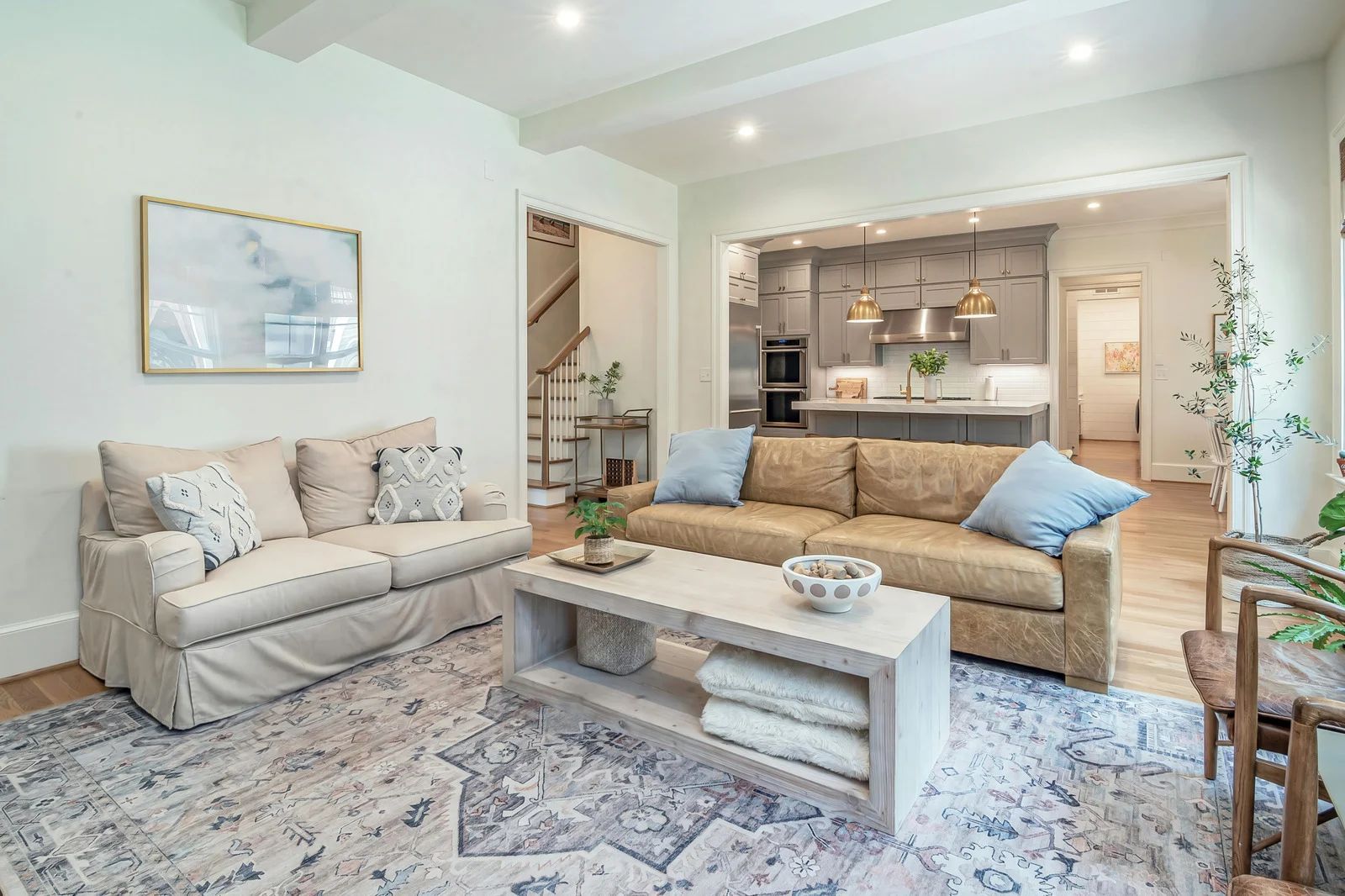
A basement should feel cohesive with the rest of the home, not like an afterthought. Using consistent trim profiles, matching hardware, and complementary paint colors ties the space together. Durable materials are especially important because basements can experience more traffic and humidity. Professional builders often select scratch-resistant flooring, moisture-resistant paint, and long-lasting cabinetry. These upgrades provide aesthetic appeal while maintaining practicality.
Creating Custom Features for Added Personality
Built-ins such as entertainment centers, bookcases, window seats, and wall niches add architectural interest and functionality. Accent walls using stone veneer, wood paneling, or modern textures elevate the overall look. Homeowners also enjoy customizing bars, workout spaces, or hobby rooms with thoughtful design elements. These personalized features set the basement apart and create memorable impressions for guests and future buyers.
Boosting Home Value Through Smart Add-Ons and Upgrades
Adding Bedrooms and Egress Windows
One of the most value-boosting features in a finished basement is an additional legal bedroom. This upgrade requires proper egress windows that meet safety codes, allowing occupants to exit in an emergency. By meeting code requirements, the new bedroom can be included in the home’s total livable square footage, significantly increasing resale value.
Building Income-Generating Suites
In areas with high rental demand, converting part of the basement into a rentable suite can generate ongoing income. This may include a separate entrance, bathroom, kitchenette, and private living area. While this type of renovation has higher upfront costs, it creates long-term financial opportunities and attracts investors or buyers seeking multi-use properties.
Incorporating Multipurpose Rooms
Flex rooms are highly appealing because they adapt to changing lifestyle needs. A single room can serve as a home office, guest room, or workout space depending on the furniture and layout. Versatility ensures the basement remains useful even as household demands evolve. When marketed correctly, multipurpose rooms are strong selling points in real estate listings.
Avoiding Common Basement Finishing Mistakes
Overlooking Code Requirements
Building codes exist to ensure safety, so it is crucial to follow regulations for ceiling height, electrical systems, egress access, and ventilation. Non-compliant basements may reduce property value and complicate future sales. Professional contractors understand local codes and integrate them into planning from the start.
Using Inappropriate Materials
Some homeowners attempt DIY renovations with materials not designed for below-grade environments. Standard drywall, non-vented gas heaters, and solid hardwood flooring can lead to moisture damage or unsafe conditions. Using proper basement-approved materials prevents premature deterioration and ensures a long-lasting finish.
Ignoring Future Proofing
Home needs evolve over time, so it’s smart to plan for potential changes. Running extra wiring, including conduit for future technology, or designing layouts that support future walls or plumbing upgrades helps the basement remain relevant for years. Future-proofing adds long-term value while reducing future renovation costs.
Elevate Home Equity Through Smart Basement Renovation Choices
Finishing a basement is one of the most effective ways to expand living space, enhance comfort, and significantly boost home value. By focusing on proper planning, moisture management, smart mechanical upgrades, and thoughtful design, homeowners can transform an underutilized area into a functional and beautiful extension of the home. A well-executed basement project not only elevates everyday living but also strengthens long-term property equity by appealing to future buyers and modern lifestyle needs.
For homeowners looking for expert craftsmanship and dependable results, Shafer Construction, LLC
brings 19
years of professional experience to every project. Based in Youngstown, Ohio, the company is known for its dedication to quality, transparency, and customer-focused solutions. Their team understands the unique challenges and opportunities that basement finishing presents, and they apply industry-leading methods to ensure lasting durability and polished aesthetics. When you choose Shafer Construction, LLC, you’re partnering with a trusted local professional committed to creating spaces that add meaningful value, comfort, and beauty to your home.