Backyard Deck Designs That Bring Outdoor Living to Life
Outdoor living has become one of the most valuable features homeowners seek when improving residential properties. A well-designed backyard deck creates a functional extension of the home where families can relax, entertain guests, dine outdoors, and enjoy seasonal weather in comfort. Modern deck designs now go beyond simple platforms attached to the back of a house. Homeowners are investing in customized outdoor environments that include built-in seating, covered areas, outdoor kitchens, lighting systems, and multi-level layouts that support daily living. As property owners continue prioritizing comfort and usable outdoor space, professionally planned deck construction remains one of the most practical and rewarding home improvement investments available today.
Backyard deck designs also play a major role in improving property value, curb appeal, and long-term functionality. Thoughtful planning helps create outdoor areas that complement the architecture of the home while supporting lifestyle needs for growing families, social gatherings, and private relaxation. Whether homeowners prefer a simple entertainment area or a fully customized outdoor retreat, choosing the right deck design can completely transform how outdoor spaces are used throughout the year while creating a stronger connection between indoor comfort and outdoor living.
Multi-Level Deck Designs Create Functional Outdoor Zones
Separating Spaces for Different Activities
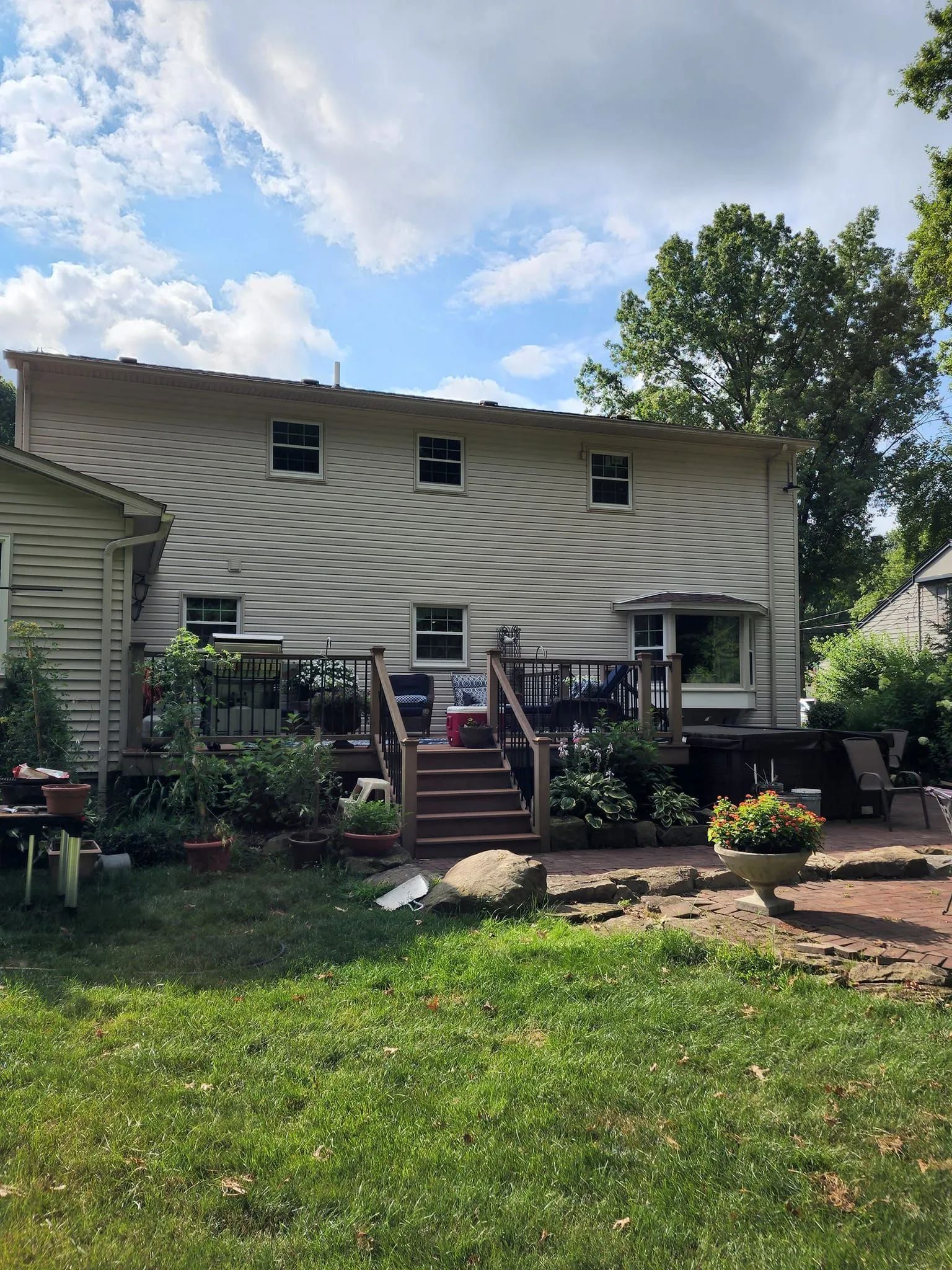
Multi-level deck designs allow homeowners to organize outdoor areas based on how the space will be used. One section may function as a dining area near the kitchen entrance, while another level provides a lounge space with comfortable seating or a fire feature. Separating activities into dedicated zones helps the backyard feel more organized and inviting without requiring a larger property footprint.
Homes with sloped yards particularly benefit from multi-level decks because elevation changes can be integrated naturally into the design. Instead of struggling with uneven terrain, homeowners can use layered platforms to improve accessibility and maximize usable outdoor space.
Improving Property Flow and Visual Appeal
A well-structured multi-level deck improves how the home connects with the surrounding landscape. Large backyards often feel disconnected when there is no clear transition between indoor and outdoor spaces. Multiple deck levels help guide movement while making outdoor areas feel intentional and balanced.
In many residential neighborhoods, homeowners use multi-level layouts to accommodate outdoor kitchens, hot tubs, pergolas, and garden access points without overcrowding a single platform. Railings, stairs, and lighting placement also become important design considerations because these elements influence safety and aesthetics throughout the structure.
Covered Deck Features Extend Outdoor Living Throughout the Year
Pergolas and Roof Structures Add Comfort
Covered deck features have become increasingly popular because they allow homeowners to enjoy outdoor spaces in changing weather conditions. Pergolas provide partial shade while maintaining airflow and natural light, making them ideal for warm afternoons and outdoor dining. Solid roof structures offer greater weather protection and create comfortable outdoor living spaces during rain or intense summer heat.
Many homeowners also incorporate ceiling fans, recessed lighting, and mounted entertainment systems beneath covered areas to create a more complete outdoor environment. These additions improve comfort while increasing how frequently the space is used throughout the year.
Weather Protection Improves Long-Term Value
Exposure to direct sunlight, rain, snow, and moisture can shorten the lifespan of outdoor materials when decks are left unprotected. Covered sections help shield flooring, furniture, and railings from harsh weather while reducing long-term maintenance requirements. Proper drainage planning becomes especially important because standing water can eventually damage framing and decking materials.
Homeowners who invest in weather-protected deck designs often experience greater long-term value because the outdoor area remains functional across multiple seasons. Covered spaces also create flexibility for entertaining guests, hosting family gatherings, or simply relaxing outdoors without worrying about changing weather conditions disrupting plans.
Choosing the Right Decking Materials for Durability and Style
Composite Decking Offers Low Maintenance
Composite decking materials continue gaining popularity because they combine durability with reduced maintenance requirements. Unlike traditional wood decking, composite boards resist warping, splintering, and moisture damage more successfully over time. Homeowners also appreciate that composite surfaces require less staining, sealing, and refinishing throughout the lifespan of the deck.
Modern composite materials are available in a wide variety of textures and color tones that mimic the appearance of natural wood while offering improved resistance to fading and weather exposure. For busy households seeking long-term convenience, composite decking provides a practical solution that balances appearance and durability.
Natural Wood Creates Traditional Warmth
Natural wood decks remain a preferred option for homeowners who value authentic texture and classic outdoor aesthetics. Cedar, redwood, and pressure-treated lumber each offer unique visual characteristics that complement many residential architectural styles. Wood decks can also be customized more easily through staining, painting, and decorative finishing techniques.
However, natural wood requires ongoing maintenance to preserve appearance and structural performance. Moisture protection, regular sealing, and routine inspections help reduce the risk of cracking, rot, and insect damage. Homeowners considering wood materials should carefully evaluate climate conditions, maintenance expectations, and long-term upkeep costs before finalizing design decisions.
Outdoor Living Features That Enhance Backyard Deck Spaces
Built-In Seating and Fire Features
Built-in deck seating creates a clean and practical solution for homeowners who frequently entertain guests outdoors. Integrated benches maximize usable space while reducing the need for excessive patio furniture that can clutter smaller decks. Storage compartments beneath seating areas also provide convenient organization for cushions, outdoor accessories, and seasonal items.
Fire features have become one of the most requested additions in modern deck design. Fire pits and outdoor fireplaces create warmth, visual appeal, and a natural gathering point for social interaction. Gas-powered systems offer convenience and cleaner operation, while traditional wood-burning fire features provide a more rustic outdoor atmosphere.
Outdoor Kitchens and Dining Areas
Outdoor kitchens significantly expand the functionality of backyard decks by allowing homeowners to cook and entertain in the same environment. Depending on available space and budget, outdoor cooking areas may include built-in grills, refrigerators, countertops, sinks, and storage cabinetry.
Dining areas also benefit from thoughtful deck planning. Adequate spacing between furniture, cooking zones, and walking paths improves comfort while preventing overcrowding. Lighting placement is especially important in dining areas because homeowners often use these spaces for evening gatherings and seasonal celebrations.
Lighting and Railing Designs Improve Safety and Atmosphere
Deck Lighting Creates Evening Functionality
Lighting plays a major role in how backyard decks look and function after sunset. Professionally planned lighting improves visibility, enhances safety, and creates a welcoming atmosphere throughout outdoor living spaces. Stair lighting reduces trip hazards, while accent lighting highlights architectural features, landscaping, and entertainment areas.
Many homeowners choose layered lighting systems that combine recessed deck lights, post cap fixtures, pathway illumination, and overhead lighting beneath covered structures. Smart lighting controls also allow users to adjust brightness levels and automate schedules based on seasonal needs or entertaining preferences.
Modern Railings Enhance Design Appearance
Deck railings are no longer viewed solely as safety requirements. Modern railing systems contribute significantly to the overall appearance and style of outdoor living areas. Cable railings create a sleek, contemporary look while preserving open backyard views. Aluminum railings offer durability and low maintenance, making them a practical option for long-term performance.
Wood railings remain popular for traditional homes because they create visual warmth and complement natural outdoor surroundings. Glass panel railings are another growing trend because they improve visibility while adding a refined architectural appearance. Regardless of material choice, railings should always meet local safety codes and structural requirements.
Planning a Deck Design Around Lifestyle and Property Needs
Matching the Deck to the Home Architecture
One of the most important aspects of successful deck design involves creating a structure that complements the existing home rather than appearing disconnected from it. Roofing lines, material colors, railing styles, and layout proportions should align with the overall architectural character of the property. A deck that feels visually integrated often improves curb appeal and creates a more natural transition between indoor and outdoor areas.
Homeowners should also evaluate how the deck connects with landscaping features, walkways, fencing, and backyard access points. Careful coordination between these elements creates a more balanced and functional outdoor environment.
Considering Long-Term Use and Maintenance
Deck planning should always account for long-term lifestyle needs and maintenance expectations. Families with children may prioritize open play areas and durable surfaces, while homeowners who entertain frequently may focus more heavily on seating capacity, lighting, and outdoor cooking features. Accessibility, storage, and future upgrades should also influence design decisions during the planning stage.
Maintenance requirements vary greatly depending on materials, climate exposure, and structural complexity. Investing in high-quality framing, weather-resistant materials, and proper drainage systems often reduces future repair costs while improving long-term structural reliability.
Dedicated Backyard Deck Professionals Creating Comfortable Outdoor Spaces
For homeowners seeking dependable outdoor construction solutions, Shafer Construction, LLC proudly serves Youngstown, Ohio, with more than 19 years of industry experience delivering quality craftsmanship and personalized service. Our approach to backyard deck construction focuses on creating outdoor living spaces that combine durability, comfort, and long-term functionality while complementing the unique style of each property. From custom deck layouts and covered outdoor structures to multi-level entertainment areas and modern railing systems, every project receives careful planning and attention to structural integrity from beginning to end.
We understand that outdoor living spaces should feel like a natural extension of the home rather than an afterthought. Our experience enables us to help homeowners select materials, layouts, and design features that support daily living while withstanding changing seasonal conditions. Whether the goal involves creating a private retreat, entertainment space, or functional outdoor gathering area, Shafer Construction, LLC
continues to help homeowners transform backyards into welcoming environments designed for comfort, beauty, and long-term enjoyment.