Boosting Resale Value Through Strategic Home Upgrades
Quick Answer: The upgrades that boost resale value the most tend to be the ones buyers notice before they even reach the front door. Exterior projects like siding replacement and a new entry door consistently return close to their full cost or more, because they shape a buyer's opinion of the whole house before it's been toured. Inside, lighter, well-executed updates in the kitchen and bathroom outperform full gut renovations dollar for dollar, since buyers respond to clean and current rather than custom and high-end. Decks and basements add genuine value tied to usable space, roofing protects the sale more than it grows it, and additions carry the largest gap between what they cost and what they return, even though they solve real problems no other project can touch. The strategic move is matching the upgrade to what a buyer actually rewards, not just what looks impressive in photos.
Bob's crew was midway through a siding job on a street in Austintown last fall when the homeowner two doors down stopped by to ask about a quote. Her house had a nicer kitchen than the one they were currently working on, a kitchen she'd redone two years earlier with custom cabinets and a large island. It hadn't sold in four months on the market. The house they were re-siding, older and with a smaller, unremodeled kitchen, sold within three weeks of the siding going up. Same street, same school district, similar square footage. The difference wasn't the kitchen. It was that one house looked cared for from the curb and the other one didn't, no matter what buyers found once they stepped inside.
That's the part of resale planning most homeowners get backwards. They assume the biggest, most expensive project will move the needle the most, when the data on how buyers actually respond says something closer to the opposite. Knowing which upgrades genuinely boost resale value, and why buyers respond to them the way they do, changes where your money should go first.
Curb Appeal Leads Every Return Study, and It Isn't Close
Exterior projects have topped national cost-versus-value rankings for years running, and the newest data shows the gap widening rather than narrowing. Garage door replacement, entry door replacement, and manufactured stone veneer all return more than their full cost at resale, ahead of every interior project tracked. A fiber-cement or vinyl siding job lands just behind them, still recovering close to or above what it costs to install.
The reason has less to do with the projects themselves and more to do with buyer psychology. A buyer forms an opinion of a house before they've opened the front door, and that first impression colors how generously they judge everything they see afterward. A tired, faded exterior gets mentally discounted no matter what's been done inside. A well-maintained one buys the rest of the house the benefit of the doubt.
Older homes throughout Youngstown, Struthers, and Niles were often built with siding that's been patched, recoated, or left original for decades, which is common for a housing stock this age. A full siding replacement on a house like that isn't a cosmetic upgrade so much as it's correcting decades of accumulated wear in one project, which is part of why buyers respond to it as strongly as they do.
Tip: Before you assume your siding needs full replacement, walk the exterior on an overcast day rather than in direct sun, since bright light hides fading and chalking that becomes obvious on a cloudy afternoon. Check the north-facing wall first. It weathers faster than the rest of the house and shows wear before anywhere else does.
The Kitchen Upgrade That Outperforms the One Homeowners Assume Will
Kitchens carry a reputation as the room that sells a house, and there's real truth in that. What surprises most homeowners is that the size of the project doesn't scale with the return the way they expect it to.
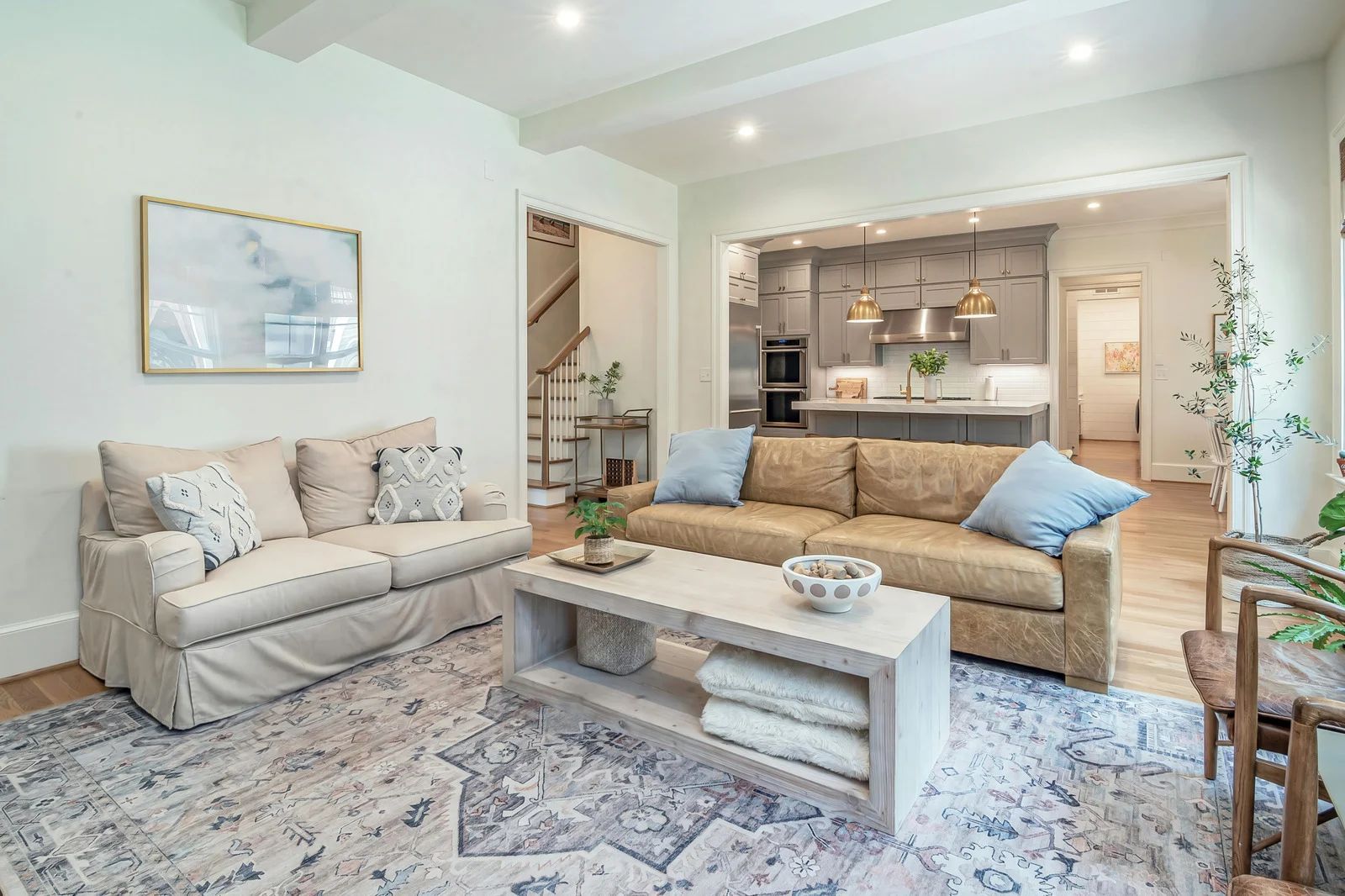
A lighter kitchen update, new countertops, a refreshed sink and faucet, updated cabinet fronts instead of a full tear-out, current appliances, consistently lands among the strongest interior returns tracked in national studies, the only interior project to break into the top tier alongside exterior work. A full gut renovation with custom cabinetry, high-end appliances, and a reconfigured layout costs several times more and returns a noticeably smaller share of that cost, even though it's the more impressive project to walk through.
That doesn't make a major kitchen remodel a mistake. If your layout genuinely doesn't work, if you're short on counter space or storage in a way that makes the room hard to use every day, a full remodel solves a real problem and earns its keep through years of daily use before a sale ever enters the picture. It's a matter of being honest about which motivation is driving the project. A kitchen redone specifically to help a sale does better staying closer to the lighter end. A kitchen redone because the household needs it to actually function can justify going bigger, since the payback there comes from daily use rather than a buyer's reaction.
Bathrooms Reward Clean and Current Over High-End
Bathroom remodels follow a similar pattern to kitchens. A midrange remodel, new tub or shower surround, updated vanity, new flooring, current fixtures, consistently outperforms an upscale version of the same project on a dollar-for-dollar basis. Buyers respond to a space that reads as clean, functional, and up to date. They respond far less to marble, custom tile work, and premium fixtures than most homeowners expect going in, because that level of finish reads as personal taste rather than a universal improvement everyone will pay for.
There's a second bathroom category worth calling out on its own: universal design work, walk-in showers, grab bars, wider doorways. That category returns somewhat less than a standard midrange remodel on paper, but it's gaining ground as more of the buyer pool prioritizes a home that works for aging in place or for a household member with mobility needs. If a bathroom already needs a full redo, building in a curbless shower entry or a wider doorway rarely adds much to a standard tub-to-shower conversion, and it widens the pool of buyers who can picture themselves using the space without modification.
Decks Add Square Footage a Buyer Can Picture Standing On
A deck addition sits in a solid middle position among return studies. It isn't at the very top with exterior work, but it does something the top-tier projects don't: it adds usable outdoor square footage a buyer can walk out onto and picture themselves using.
Material choice matters more here than in most categories. A well-built wood deck tends to return a bit more proportionally than an equivalent composite deck, largely because composite costs more to install while the visual and functional impression it makes on a buyer isn't dramatically different from a well-maintained wood deck. That doesn't make composite the wrong choice. It holds up better against Mahoning Valley winters and needs less annual upkeep, which matters plenty if a sale isn't imminent. It just means the return math and the ownership math point in slightly different directions, and it helps to know which one you're optimizing for before choosing a material.
Basements Add Real Living Space, With a Local Catch
A finished basement adds genuine livable square footage, and depending on how it's laid out, it can function as an extra bedroom, a home office, or simply more room to spread out. That's a meaningfully different kind of upgrade than a cosmetic one, and it returns differently as a result.
Basement finishing lands in the middle-to-lower return range compared with exterior projects, but it consistently outperforms categories like a backyard patio or an upscale primary suite addition. Adding a bathroom within the basement scope is the single most effective move you can make there. It opens up a bedroom-suite use case a plain finished basement can't offer on its own, and buyers notice that difference immediately during a walk-through.
Basement moisture is the variable that changes this math locally more than anywhere else on this list. A finished basement in an older Mahoning Valley home built over a shallow water table or without modern drainage carries real risk if the moisture problem underneath was patched instead of solved before the drywall went up. A finished basement over a dry, well-drained foundation returns close to what national studies suggest. One built over a chronically damp foundation can turn into a liability the moment a buyer's inspector opens a closet door.
Warning: Don't finish a basement over a moisture problem you've covered up instead of corrected. Fresh paint over an efflorescence stain, a sump pump added as an afterthought instead of sized to the space, or carpet laid over a slab that still sweats in July will all resurface, usually during a buyer's walk-through or inspection, and at that point the finished basement works against you instead of for you.
Roofing Protects Every Other Number on This List
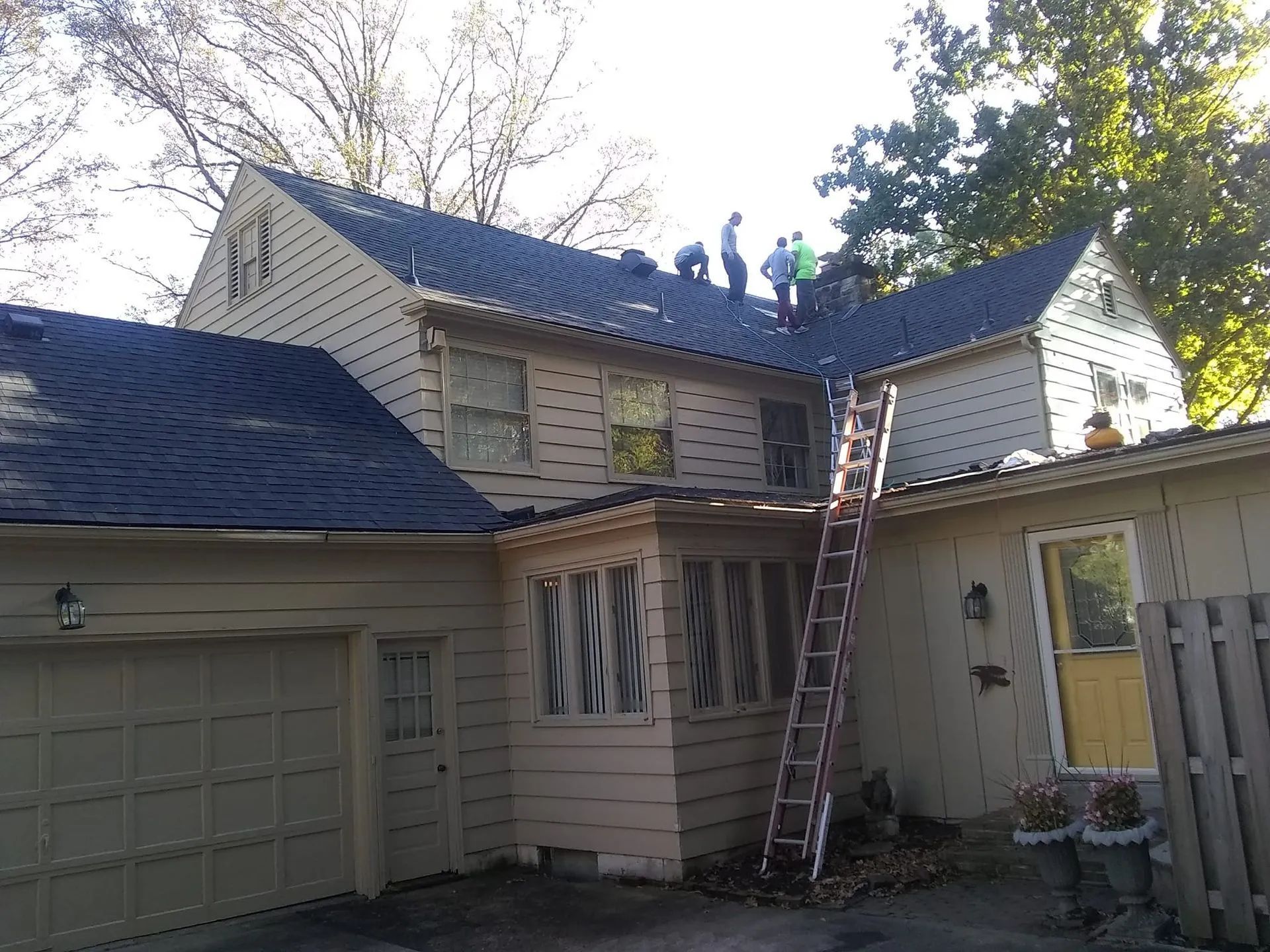
Roofing confuses more homeowners than any other category, because it behaves differently than everything else here. A new roof rarely returns what it costs to install, and it sits closer to the bottom of most return studies than people expect going in. That surprises homeowners, because a roof feels like exactly the kind of project that should pay for itself.
The reason it doesn't is simple once you see it from a buyer's side: buyers don't pay extra for a new roof, they simply expect to find one that isn't near the end of its life. A roof with years of service left doesn't add much to your asking price so much as it removes a negotiating point a buyer's inspector would otherwise hand them. An aging roof, by contrast, shows up on every inspection report as a near-term expense, and buyers negotiate against that figure hard, often harder than the roof's actual remaining condition would justify.
That asymmetry, small upside for a good roof, an outsized downside for a bad one, is the real reason to stay ahead of it. National surveys of real estate agents consistently rank new roofing among the projects buyers ask about most once they're touring a house, even though the direct return on the project itself lags well behind exterior siding or a garage door. A finished basement, a redone kitchen, fresh siding, none of it changes a buyer's math if the roof they're standing under during a fall rainstorm has shingles curling at the edges.
Additions Solve a Space Problem, Not a Resale Problem
Additions, whether a primary suite, an extra bathroom, or added square footage elsewhere, sit at the bottom of return studies almost every year, and the gap between what they cost and what they return is the widest of any category tracked. That gap grows wider as the finish level goes up: a midrange addition returns a meaningfully larger share of its cost than an upscale version of the same square footage, the same pattern that shows up in kitchens and bathrooms, where buyers pay for functional and current rather than custom.
That doesn't make an addition a poor decision. It's also, in a lot of cases, the single biggest change a household makes to a house, because it solves a space problem no paint color or countertop ever could. A household that's outgrown its bedroom count or bathroom count gets real, daily value from an addition that a return figure alone doesn't capture. The mistake is treating an addition as a strategic resale move when the data consistently says it's better understood as a quality-of-life project that happens to add some value on its way out the door.
Frequently Asked Questions
Which home upgrades actually boost resale value the most?
Exterior projects like siding and entry doors return the most relative to cost because they shape first impressions before touring. Lighter kitchen or bathroom updates follow close behind, outperforming full renovations on a dollar-for-dollar basis.
Why does a small kitchen update sometimes return more than a full remodel?
Lighter updates cost less and buyers reward clean, current, functional kitchens more than custom cabinetry or high-end appliances. Most buyers don't pay proportionally more for premium features, making smaller refreshes more cost-effective for resale returns.
Is a roof replacement worth doing before selling if it isn't showing problems yet?
Direct returns are modest, but aging roofs hurt resale through inspection leverage. Buyers negotiate heavily against roof age, often more than replacement costs would be. Staying ahead defensively protects overall value better than adding it.
Does finishing a basement add real resale value in a house with a moisture history?
Only if moisture is actually fixed first, not just covered. A dry, well-drained finished basement returns close to national data. One finished over unresolved moisture resurfaces during inspection and can undo the project's intended value.
Should I do a major kitchen or bathroom remodel, or a lighter refresh, before listing?
If layout works and room looks dated, lighter refresh returns more per dollar. Full remodel makes sense when layout itself is the problem, since that's worth fixing for years of daily use rather than resale.
If I can only afford one upgrade before selling, which should I choose?
Prioritize whichever category is furthest behind. Dated siding with decent kitchen means exterior work first. Fresh siding with outdated kitchen means kitchen upgrades first. The weakest area usually has the most room to move buyers.
Strategic Upgrades Deliver Value Both Today and Later
The core of strategic resale planning is recognizing that exterior work shapes buyer perception from the moment they arrive at the curb. That first impression colors every judgment that follows, which explains why siding and entry doors consistently outperform every other category in national studies. The rest of your upgrades matter, but they work inside a frame already set by your exterior condition. Shafer Construction, LLC has spent over 19 years handling these projects across Youngstown, OH, and that priority always holds.
This approach to prioritizing upgrades creates real value in two important directions. Selecting the projects that buyers reward most means better financial returns, and these projects address your home's most visible parts. These places shape daily living now, not just final walkthrough impressions. A house with fresh siding and updated fixtures works noticeably better for the people living there today, which means the value exists whether you sell next year or stay out five more years. That's the real advantage.